
Introduction
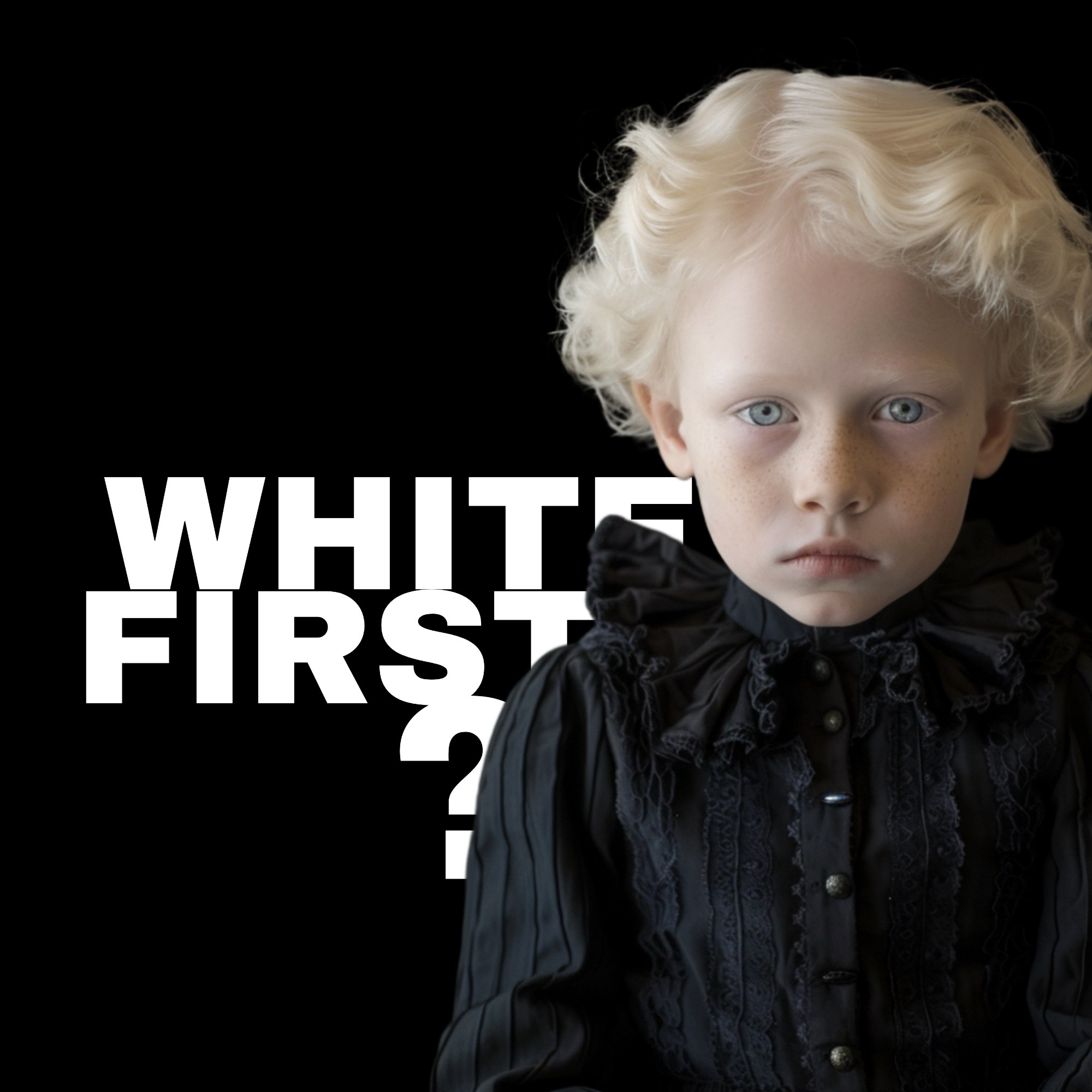
A controversial theory has emerged from the Institute of Cancer Research in London, suggesting that ancestral humans evolved black skin as a response to lethal skin cancer caused by UV radiation. Professor Mel Greaves, the director of the Centre for Evolution and Cancer, proposed this idea in a paper published in Proceedings of the Royal Society B. However, the theory has faced sharp criticism from commentators who dismiss it as scientifically unsound and potentially racially motivated.
The Professor’s Argument
Greaves challenges the long-held belief that black skin evolved primarily to protect against UV-induced damage to sweat glands or nutrient levels in the blood. Instead, he argues that lethal skin cancer in early, light-skinned humans acted as an evolutionary force, driving the development of darker skin for survival. His theory posits that ancestral humans may have been pale-skinned before evolving darker pigmentation, with high rates of fatal skin cancer influencing reproductive success in ways that favoured those with more melanin. Greaves admits this hypothesis has been soundly dismissed by the scientific theory long ago but claims that new evidence brings the theory back to light.
Criticism of the Theory
The theory has been met with strong scepticism. Critics argue that the idea of white humans “evolving back” into black humans contradicts established genetic principles, noting that melanin deficiency is recessive and populations that lose melanin over generations don’t regain it.
Further objections point to Greaves’ use of melanoma cases in young Black Africans as support for his theory. Observers highlight that not all melanomas are UV-induced, citing examples like acral melanoma, which appears on non-sun-exposed areas. If the cases referenced aren’t UV-related, they argue, they fail to substantiate the proposed evolutionary mechanism.
Another major flaw raised is the theory’s inability to explain why modern white populations, who continue to experience high rates of skin cancer, haven’t evolved darker skin. If skin cancer were such a strong selective pressure, critics question why evolution would seemingly “stop” after the development of black skin.
Beyond scientific objections, some view the theory as problematic in its implications. There are concerns that framing white skin as the “original” human trait while presenting blackness as a later adaptation risks reinforcing outdated racial hierarchies under the guise of scientific discourse.
Pseudoscience or Hidden Bias?
The criticism reflects broader scepticism toward evolutionary theories that attempt to explain racial differences. Such ideas often face criticism for lacking concrete evidence, overlooking complex genetic and environmental interactions, and potentially serving as vehicles for harmful stereotypes. As one critic summarised, this case exemplifies the dangers of letting questionable narratives proliferate unchecked in academic circles.
Conclusion
While scientific inquiry should welcome novel hypotheses, Greaves’ theory currently raises more questions than it answers. Without robust evidence and clear explanatory mechanisms, the claim that cancer drove the evolution of black skin remains speculative. At worst, it stands as a cautionary example of how unchecked biases can distort even institutional research. The controversy underscores the need for rigorous scrutiny in evolutionary biology—particularly when theories intersect with sensitive questions of human variation and race. Progress in science depends on both innovation and accountability. Theories like this one remind us why maintaining high evidentiary standards and guarding against racial preconceptions remain essential in separating substantive research from problematic speculation.
This article is adapted from research conducted by Andrew A. King (The Kings Monologue).

Leave a Reply