
1. Selection of Source Material


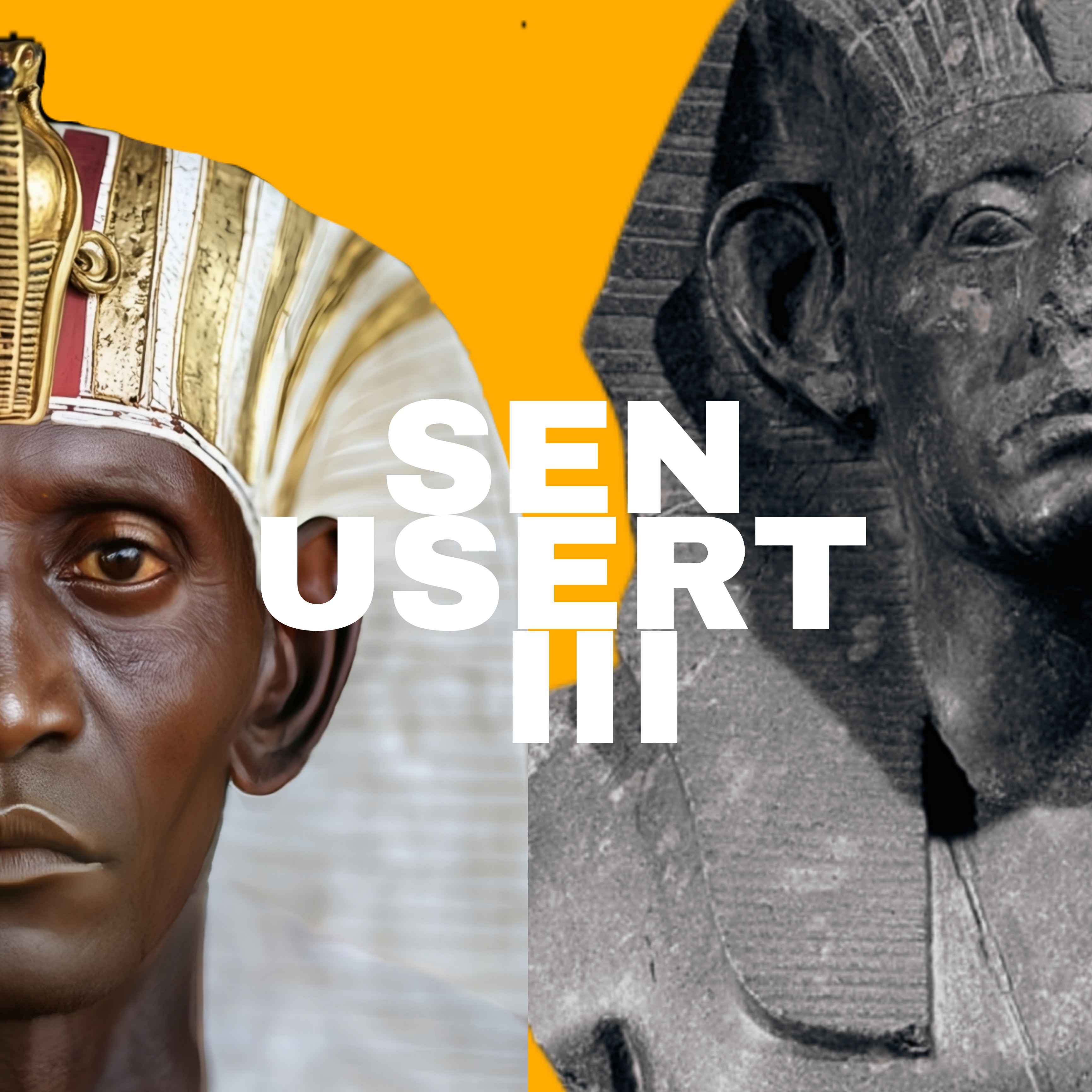
The reconstruction of Pharaoh Senusret III began with a thorough examination of available artefacts. Numerous statues and depictions of the pharaoh exist, many from the 12th Dynasty of the Middle Kingdom, a period renowned for its flourishing artistry. These artworks capture Senusret III at various stages of his life, providing a wealth of reference material. Notably, an obsidian statue in a private collection preserved his full facial features, including the nose—a rarity among surviving artefacts.

2. Restoration of Damaged Artifacts


Many of Senusret III’s statues bear signs of damage, particularly missing noses. While some attribute this to ancient iconoclasm, evidence suggests more recent tampering. Close inspection of statues in the British Museum reveals fractures radiating from the nose, indicating deliberate strikes.


The absence of weathering or missing fragments typical of ancient damage further supports the theory of modern interference. This deliberate destruction aligns with historical patterns of colonial-era vandalism, where African artefacts were often defaced to undermine their cultural significance.
3. Phenotype Analysis


Senusret III’s depictions exhibit distinct facial traits: gaunt cheeks, protruding eyes, and notably large ears. These features are remarkably consistent across multiple statues, underscoring the accuracy of ancient Kemetic artistry. Comparative analysis linked these traits to the Tutsi people of Rwanda and Burundi, particularly their dolichocephalic (long-headed) cranial structure and facial proportions. This connection highlights the African phenotype’s diversity and challenges Eurocentric narratives that dismiss ancient Egyptian art as stylised or unrealistic.


4. Overlay Technique


To validate the reconstruction, digital overlays compared the obsidian statue with Tutsi references. The alignment was striking, particularly in the nose, lips, and ear shape. Advanced AI algorithms further refined the reconstruction, generating younger and older versions of Senusret III. The younger iteration bore an uncanny resemblance to statues of his son, Amenemhat III, reinforcing the familial likeness documented in historical records.
5. Historical and Anthropological Context
Senusret III ruled during a period of heightened diplomacy and trade with Nubia, though contemporary records often labelled neighbouring peoples pejoratively. The term “Nubia” itself is a later imposition; ancient Kemetic texts referred to southern regions variably, such as “Ta-Seti” (Land of the Bow). This linguistic ambiguity reflects broader biases in Egyptology, where colonial-era scholars often distorted African histories to fit supremacist frameworks.
The reconstruction also sheds light on cultural practices. Senusret III’s statues occasionally depict the nemes headdress, which pushed his ears forward—a detail replicated in the reconstruction when accounting for headgear. Additionally, his facial features resonate with the amasunzu hairstyle tradition among the Tutsi, further bridging ancient and modern African identities.
6. Iterative Refinement


The reconstruction underwent multiple revisions to ensure fidelity to source material. AI-assisted comparisons highlighted subtle traits, such as the lower lip’s slight protrusion, which had initially gone unnoticed. Adjustments to eye size and facial width brought the older version closer to aged statues of Senusret III, though the algorithm’s tendency to over-wrinkle melanated skin was corrected for accuracy.
7. Final Presentation


The completed reconstruction presents Senusret III as a Tutsi-like figure with sharp cheekbones, prominent ears, and piercing eyes—a deliberate homage to the original artworks. By prioritising anatomical consistency over Eurocentric biases, the project reaffirms the African identity of ancient Kemet. The accompanying AI-generated comparisons, particularly the likeness to Amenemhat III, further validate the reconstruction’s accuracy, challenging long-held misconceptions about Kemetic art’s realism.
This work not only revitalises Senusret III’s visage but also underscores the importance of decolonising historical narratives. By centring African phenotypes and acknowledging the damage wrought by imperialism, the reconstruction honours both the pharaoh’s legacy and the enduring richness of African civilisations.


Leave a Reply